 Hello,
Seashells
Misha Glenny and guests discuss how the hard exoskeletons of marine life have fascinated humans throughout history and provide an insight into the ecology of the oceans.

Vigée Le Brun
Misha Glenny and guests discuss the woman who painted Marie Antoinette around 30 times and became arguably the most successful portraitist of her age throughout Europe

19th-century French painters19th-century French letter writers18th-century French letter writers19th-century French women writersFrench women memoiristsPainters from Paris18th century19th centuryFrancePainting
The Delian League
Misha Glenny and guests discuss how Athens led an ancient league of allies which gradually seemed to transform from a cooperative alliance to an imperial power.

Machado de Assis
Misha Glenny and guests discuss one of the foundational figures of Brazilian literature, a descendant of slaves, and his stories of Bras Cubas and Virgilia, Dom Casmurro and Capitu.

The Evolution of Trees
Misha Glenny and guests discuss the earliest trees and how, as species disappear over time, new trees can evolve even from species better known as house plants or vegetables.

The Welsh Marches
Misha Glenny and guests discuss four centuries of Norman warlord rule in much of Wales almost independent from the kings with one law for the English and another for the Welsh.

The Levellers
Misha Glenny and guests discuss the group of political radicals who refused to doff their hats and pioneered petitions and pamphlets to reimagine the English constitution
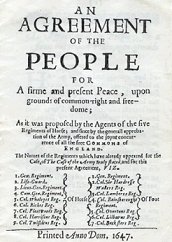
Radicalism (historical)Christian radicalismLevellers, New Model Army, Republicanism in EnglandLiberalism in the United KingdomHistory of liberalism
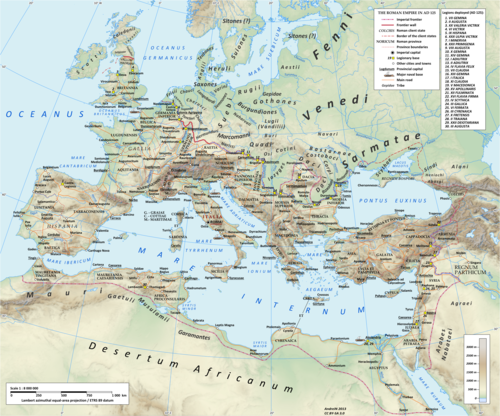
The Garamantes
Misha Glenny and guests discuss the history and archaeology of an ancient society from North Africa who flourished in one of the world’s most inhospitable environments.
Joseph Roth
Misha Glenny and guests discuss the life and works of the author of Radetzky March who wrote of the collapse of the Austro-Hungarian Empire after WW1 and the rise of nationalism.

University of Vienna alumniFrankfurter Zeitung peopleWriters from ViennaExilliteratur writersAustro-Hungarian military personnel of World War I20th-century Austrian male writers, Jewish novelists, Jews from Austria-Hungary, Writers from Austria-Hungary20th centuryWar
Cybernetics
Misha Glenny and guests discuss how the 1940s attempt to find a universal language for science has influenced the way we think about technology, government and climate.

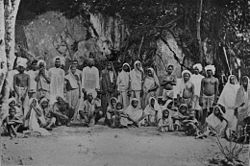
Indian Indentured Labour
Misha Glenny and guests discuss what changed when sugar planters in British colonies contracted Indian people to do the work of their formerly enslaved labourers after abolition.
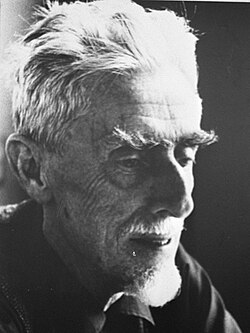
M.C. Escher
Misha Glenny and guests discuss the Dutch artist’s visual paradoxes, never-ending staircases, and the intuitive mathematical precision behind his work.
Handel's Messiah
Misha Glenny and guests discuss Handel's great sacred oratorio from 1742, his collaboration with librettist Charles Jennens, and the first performances in Dublin and then London.

The Spanish-American War 1898
Misha Glenny and guests discuss the imperial war in which the US took the Philippines, Guam and Puerto Rico from Spain and gained greater influence over newly-independent Cuba.

HistoryGilded Age19th-century conflictsMilitary history of the United States, United States involvement in regime changeWars involving the United StatesUnited States Marine Corps in the 18th and 19th centuries19th centuryAmerica
Silicon
Misha Glenny and guests discuss the biology, physics and chemistry of one of the most abundant elements in the Earth's crust and its impact on our atmosphere and on technology
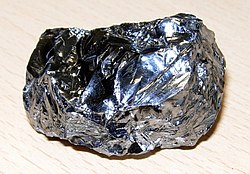
Chemical elementsNative element minerals, Reducing agentsMaterials that expand upon freezing
Dadaism
Misha Glenny and guests discuss the spirit of the art phenomenon that began in Zurich in 1916 inspired by what the Dadas saw as the absurdity of the war then consuming the world.

Archaea
Misha Glenny and guests discuss how, after the first cells on earth branched into bacteria and archaea, some of those microorganisms recombined to make our complex cells.

ExtremophilesBiology terminologyParaphyletic groups20th century
Margaret Beaufort
Misha Glenny and guests discuss the resilience of the child bride who made it her mission to protect her son during the Wars of the Roses and helped him become the first Tudor king

History16th-century English womenAnnulmentHouse of Tudor16th-century English nobilityEnglish Roman Catholics15th-century English women, Founders of colleges of the University of Cambridge, Ladies of the Garter, People of the Wars of the RosesBurials at Westminster AbbeyMothers of English monarchs15th century16th century
The Columbian Exchange
Misha Glenny and guests discuss the spread of plants, animals and diseases after Columbus reached the Americas in 1492 and the transformations and devastations that followed.

HistoryHorticultureWestern cultureHistory of the Americas, Spanish colonization of the AmericasHistory of EuropeHistory of agriculture15th century
John Keats
Misha Glenny and guests discuss the short, brilliant life of one of the most celebrated Romantic poets and the works of his most intensely creative year from autumn 1818.

CultureEnglish letter writersEpic poetsAlumni of King's College London19th-century English poets19th-century deaths from tuberculosisPoets from LondonRomantic poetsSonneteersEnglish male poets19th-century English male writers19th century21st century
The Code of Hammurabi
Misha Glenny and guests discuss the enduring fascination with the laws Hammurabi, King of Babylon, established in Mesopotamia 4,000 years ago and the society that gave rise to them.
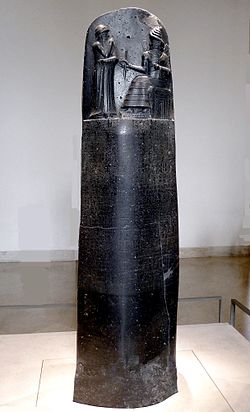
HistoryLegal codesLegal historyAkkadian literatureBabyloniaMesopotamia
Henry IV Part 1
Misha Glenny and guests discuss why Shakespeare's play with Falstaff, Hotspur and Prince Hal was so popular with his Tudor audience with its theme of what makes a ruler legitimate.

CultureEnglish Renaissance playsBritish plays adapted into filmsBook
The Roman Arena
Misha Glenny and guests discuss the origins of the gladiatorial and beast fights, from the funeral games of the early Roman Republic to the Colosseum under the emperors.

The Mariana Trench
Misha Glenny and guests discuss what explorations are revealing of the life and geology at the bottom of the deepest oceanic trench in the world, much deeper than Everest is high.

On Liberty
Misha Glenny and guests discuss John Stuart Mill's celebrated work from 1859 arguing that the sole end for which mankind may interfere with anyone's liberty is self-protection.

CultureClassical liberalismBooks about liberalism1859 booksPolitical books19th century
Welcoming Misha Glenny to the In Our Time studio

Living peopleBritish foreign policy writers, English people of Russian-Jewish descent, Historians from London, Journalists from London, Organized crime writers, People educated at Magdalen College School, Oxford, People from KensingtonEnglish male journalistsAlumni of the University of BristolCharles University alumni
Melvyn Bragg meets Misha Glenny
Melvyn Bragg and Misha Glenny meet on BBC Radio 4's flagship news programme Today to discuss In Our Time's appeal and what Misha will bring to the series from 15th January.
Living peopleBritish foreign policy writers, English people of Russian-Jewish descent, Historians from London, Journalists from London, Organized crime writers, People educated at Magdalen College School, Oxford, People from KensingtonEnglish male journalistsAlumni of the University of BristolCharles University alumni
Civility: talking with those who disagree with you
Melvyn Bragg and guests discuss ideas about the best aspects of civility (and the worst) from the Renaissance to today as explored by Hobbes, Williams, Locke and Rawls.
Dragons
Dragons have breathed fire into folklore, literature and popular culture from the ancient world to the Christian Bible, the tales of Tolkien to The Game of Thrones.

Barbour's 'Brus'
Melvyn Bragg and guests discuss ideas of chivalry and freedom in John Barbour's c1375 epic on Robert the Bruce and Bannockburn, the earliest surviving poem in Older Scots.

The Evolution of Lungs
Melvyn Bragg and guests discuss the diverse ways animals extract oxygen from air, from the highly tuned lungs that enabled dinosaurs to grow tall and birds to fly high, to buccal pumping.

The Vienna Secession
A discussion of the aesthetic movement that emerged in Vienna at the end of the nineteenth century.
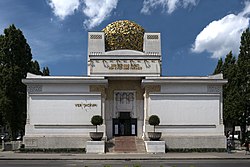
Hypnosis

Paul von Hindenburg
Melvyn Bragg and guests discuss the rise of a retired German officer recalled to duty who became an idealised, heroic figure and, as president, appointed Hitler as chancellor.

HistoryIndependent politicians in Germany, Recipients of the Iron Cross (1870), 2nd class, Recipients of the Pour le Mérite (military class)German untitled nobility20th-century presidents of Germany, German anti-communists, Recipients of the Iron Cross (1914), 1st classGerman LutheransGrand Crosses of the Order of Saint Stephen of Hungary, Knights of the Golden Fleece of SpainGerman military personnel of the Franco-Prussian WarGerman monarchistsRecipients of the Order of the Medjidie, 1st class20th centuryWar
Copyright
Melvyn Bragg and guests discuss the development of our legal system of copyright - from the Statute of Anne to artificial intelligence.

Lise Meitner
Melvyn Bragg and guests discuss the only woman to have an atomic element named solely after her (Meitnerium), in recognition of her role in solving the question of nuclear fission.

ScienceMembers of the Royal Swedish Academy of SciencesJewish women scientistsWinners of the Max Planck MedalRecipients of the Austrian Decoration for Science and ArtAustrian LutheransDiscoverers of chemical elementsForeign members of the Royal SocietyConverts to Lutheranism from JudaismRecipients of the Pour le Mérite (civil class)Fellows of the American Academy of Arts and SciencesWomen nuclear physicists20th century
The Korean Empire
Melvyn Bragg and guests discuss Korea's transition from the 500-year-old Joseon dynasty which deferred to China towards an independent nation to keep nearby imperial rivals away.

Molière
Melvyn Bragg and guests discuss the life and work of the great French playwright and actor whose best known plays include Tartuffe, Le Misanthrope and Le Malade Imaginaire.

Culture17th-century pseudonymous writers17th-century deaths from tuberculosisBurials at Père Lachaise CemeteryLycée Louis-le-Grand alumni17th century
Typology
An exploration of typology - how characters and stories in the Hebrew Bible, or what Christians call the Old Testament, are believed to be predictions of the New Testament.
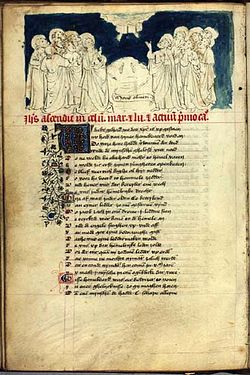
ReligionChristian terminologyChristian theology of the BibleChristian iconographyTheology
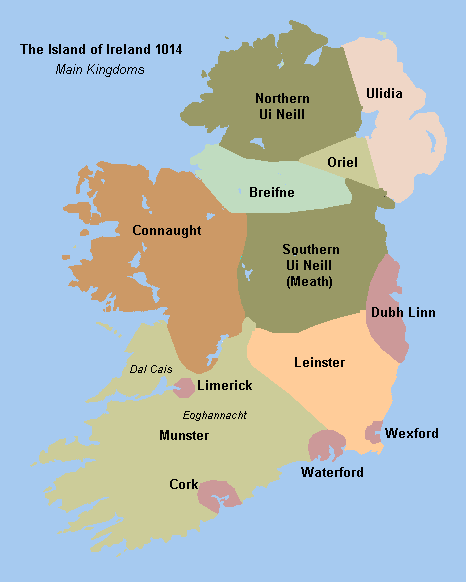
The Battle of Clontarf
Melvyn Bragg and guests discuss Brian Boru's victory over Sigtrygg Silkbeard and his Viking allies outside Dublin in 1014, one of the best known events in Irish history.
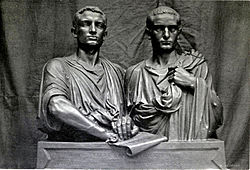
The Gracchi
Melvyn Bragg and guests discuss the impact on Roman politics of the brothers Tiberius and Gaius Gracchus and how the reaction to them helped destabilise the Republic.
HistoryBrother duosPopulares2nd-century BC Romans2nd century BC
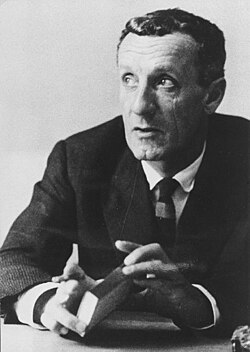
Maurice Merleau-Ponty
Melvyn Bragg and guests discuss the insights of this French philosopher into the relationship between mind and body, the role of language in thought and the value of habits
PhilosophyAcademic staff of the Collège de FranceFrench magazine foundersFrench philosophers of educationFrench socialistsUniversity of Paris alumniFrench male non-fiction writersFrench philosophers of scienceFormer Roman CatholicsMarxist theoristsÉcole Normale Supérieure alumni20th-century French philosophersFrench political philosophersPhilosophers of psychologyAcademic staff of the University of ParisBurials at Père Lachaise CemeteryFrench philosophers of artFrench humanistsLycée Louis-le-Grand alumniEnactive cognitionOntologistsAction theoristsPhenomenologistsExistentialistsFrench epistemologistsFrench philosophers of culture20th centuryFrancePsychology
Thomas Middleton
Melvyn Bragg and guests discuss one of the star writers for the London stage in the age of Shakespeare, much in demand for his own work and for rewriting the work of others.

CultureEnglish satiristsEnglish male dramatists and playwrightsPeople from the City of London17th-century English male writersEnglish male poets17th-century English dramatists and playwrightsEnglish Renaissance dramatists17th century
Cyrus the Great
A discussion of the life and legacy of Cyrus the Great, who is said to have destroyed Babylon and enabled the Jews to rebuild the temple at Jerusalem - a contested story.

Pollination
A discussion of how plants attract insects, and insects find flowers from which they extract nectar and pollen - both food sources - and pollinate the plant in the process.

Kali
Melvyn Bragg and guests discuss the origin stories and many aspects of this Hindu goddess often shown as black or dark blue and so powerful that she alone can defeat certain demons

ReligionHindu goddesses, Mother goddessesSupernatural beings identified with Christian saints
Oliver Goldsmith
Melvyn Bragg and guests discuss the author of She Stoops to Conquer, The Vicar of Wakefield and The Deserted Village who was a great populariser of science and history in his time.

CultureAlumni of Trinity College DublinStreathamitesIrish AnglicansIrish male dramatists and playwrightsAlumni of the University of Edinburgh18th-century Anglo-Irish people, 18th-century Irish male writersIrish male novelists18th-century Irish novelists, 18th-century Irish poetsIrish essayistsIrish male poets18th centuryIreland
Catherine of Aragon
Melvyn Bragg and guests discuss the Spanish Infanta so prized by the Tudors that, after her first husband the Prince of Wales died, she went on to marry his brother Henry VIII.

HistoryRegents of England16th-century English womenAnnulmentHouse of TudorDaughters of kingsEnglish Roman CatholicsDeaths from cancer in EnglandDaughters of queens regnantMothers of English monarchs16th centurySpain
Sir John Soane
Melvyn Bragg and guests explore the life and work of John Soane, architect of the old Bank of England and collector of the antiquities displayed in his home which became a museum.

CultureKnights Bachelor19th-century English architectsFellows of the Society of Antiquaries of London, Museum foundersBurials at St Pancras Old ChurchFreemasons of the Premier Grand Lodge of EnglandFellows of the Royal Society17th-century English architects17th century19th century
Pope Joan
Melvyn Bragg and guests discuss the medieval legend of Pope Joan, the story of a scholarly woman in the ninth century who was said to have become the Pope.
