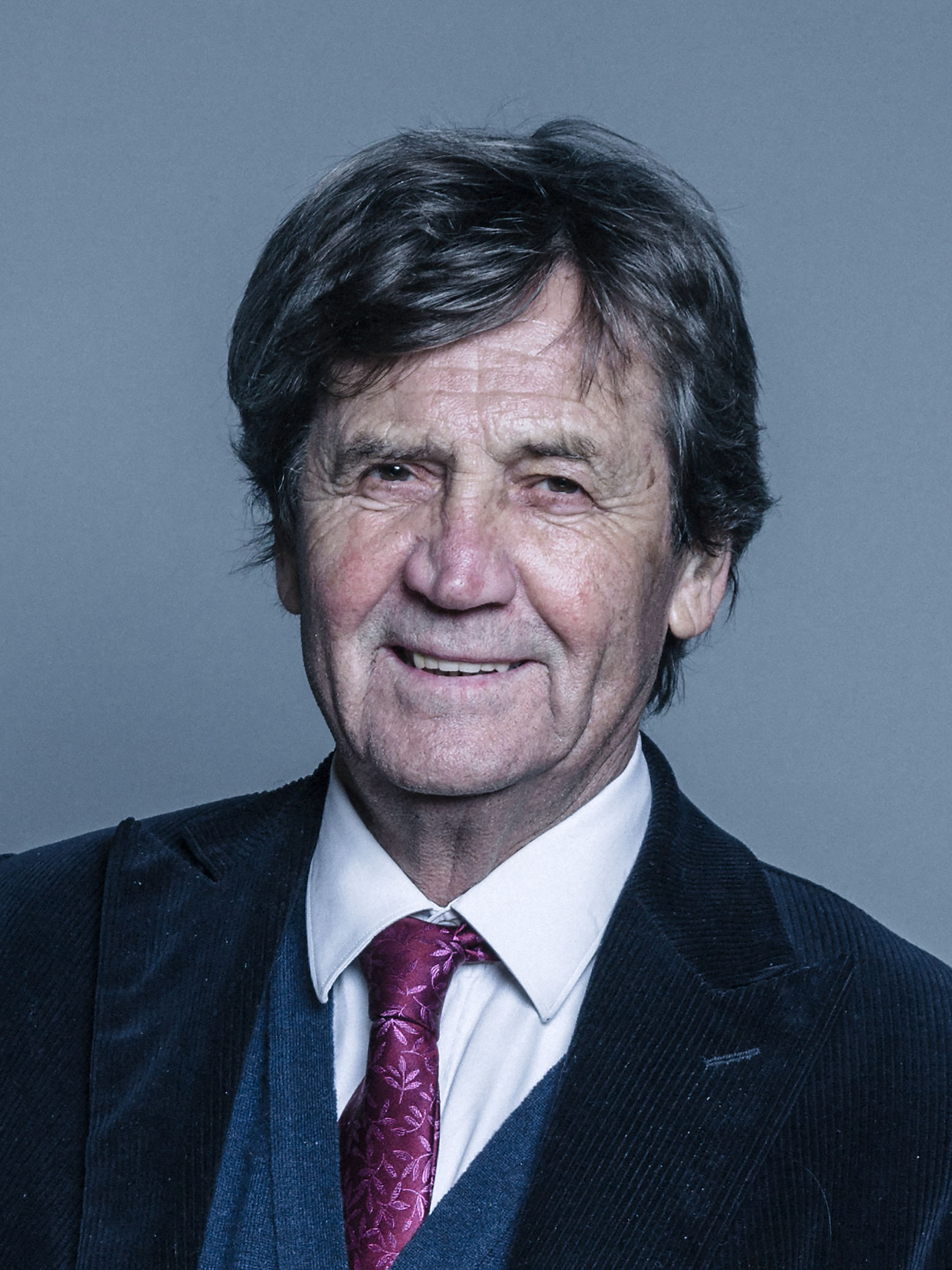
German travel writers
Johann Wolfgang von Goethe (28 August 1749 – 22 March 1832) was a German poet, playwright, novelist, scientist, statesman, theatre director, and critic. His works include plays, poetry, literature, and aesthetic criticism, as well as treatises on botany, anatomy, and colour.
3 episodes

Episodes in this category also belong to the following categories:
Goethe
Melvyn Bragg discusses the great German polymath Johann Wolfgang Goethe - novelist, dramatist, poet, humanist, scientist and philosopher.
6 April 2006
Featuring: Tim Blanning, Sarah Colvin, W. Daniel Wilson
18th-century German male writersMembers of the Bavarian Academy of Sciences19th-century German non-fiction writersGerman philosophers of language19th-century travel writersMembers of the Göttingen Academy of Sciences and HumanitiesPhilosophers of sexualityLiteracy and society theoristsGerman autobiographersGerman philosophers of historyGerman male non-fiction writersEpigrammatistsJohann Wolfgang von Goethe, Sturm und DrangEpic poetsPhilosophers of linguistics18th-century German civil servants, 18th-century German dramatists and playwrights, 18th-century German historians, 18th-century German novelists, 18th-century German poets, 18th-century travel writers, 19th-century German civil servants, 19th-century German diplomats, 19th-century German dramatists and playwrights, 19th-century German poets, German bibliophiles, German diplomats, German male novelists, People from Weimar, Scientists from Weimar, Writers from Frankfurt, Writers from WeimarGerman untitled nobilityNatural philosophersWriters about activism and social changeRomantic poetsGerman travel writersGerman librariansPhilosophy writersGerman political philosophersFabulists19th-century German novelistsGerman FreemasonsColor scientistsGerman philosophers of culture18th-century German philosophers, 18th-century essayistsFreethought writersGerman philosophers of science19th-century German philosophersGerman ethicists, German philosophers of educationTheorists on Western civilizationLiterary theoristsUniversity of Strasbourg alumniLeipzig University alumni19th-century German historiansGerman male dramatists and playwrights, German male poetsPhilosophers of social science19th-century German essayists19th-century German male writersGerman male essayistsEnlightenment philosophers18th-century German educators, 18th-century historians, 19th-century German educators, 19th-century historiansPantheistsPhilosophers of literatureGerman philosophers of art18th century19th centuryGermanyLanguageGoethe and the Science of the Enlightenment
Melvyn Bragg assesses the scientific legacy of the 18th century German poet and thinker Goethe, who gave us the term morphology and is sometimes even credited with inventing biology itself.
10 February 2000
Featuring: Nicholas Boyle, Simon Schaffer
Science18th-century German male writersMembers of the Bavarian Academy of Sciences19th-century German non-fiction writersGerman philosophers of language19th-century travel writersMembers of the Göttingen Academy of Sciences and HumanitiesPhilosophers of sexualityLiteracy and society theoristsGerman autobiographersGerman philosophers of historyGerman male non-fiction writersEpigrammatistsJohann Wolfgang von Goethe, Sturm und DrangEpic poetsPhilosophers of linguistics18th-century German civil servants, 18th-century German dramatists and playwrights, 18th-century German historians, 18th-century German novelists, 18th-century German poets, 18th-century travel writers, 19th-century German civil servants, 19th-century German diplomats, 19th-century German dramatists and playwrights, 19th-century German poets, German bibliophiles, German diplomats, German male novelists, People from Weimar, Scientists from Weimar, Writers from Frankfurt, Writers from WeimarGerman untitled nobilityNatural philosophersWriters about activism and social changeRomantic poetsGerman travel writersGerman librariansPhilosophy writersGerman political philosophersFabulists19th-century German novelistsGerman FreemasonsColor scientistsGerman philosophers of culture18th-century German philosophers, 18th-century essayistsFreethought writersGerman philosophers of science19th-century German philosophersGerman ethicists, German philosophers of educationTheorists on Western civilizationLiterary theoristsUniversity of Strasbourg alumniLeipzig University alumni19th-century German historiansGerman male dramatists and playwrights, German male poetsPhilosophers of social science19th-century German essayists19th-century German male writersGerman male essayistsEnlightenment philosophers18th-century German educators, 18th-century historians, 19th-century German educators, 19th-century historiansPantheistsPhilosophers of literatureGerman philosophers of art18th century19th centuryGermanyLanguageHumboldt
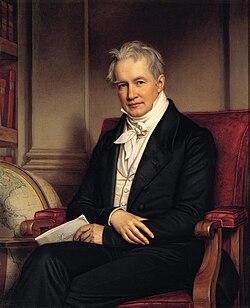
Melvyn Bragg discusses the Prussian naturalist and explorer, Alexander Von Humboldt. A hero in South America; Charles Darwin described him as ‘the greatest scientific traveller who ever lived’.
28 September 2006
Featuring: Jason Wilson, Patricia Fara, Jim Secord
ScienceUniversity of Göttingen alumniMembers of the Bavarian Academy of SciencesGerman LutheransMembers of the Göttingen Academy of Sciences and Humanities18th-century German LGBTQ peopleIndependent scientistsForeign members of the Royal SocietyGerman travel writersMembers of the Royal Swedish Academy of SciencesHuman geographersHonorary members of the Saint Petersburg Academy of SciencesUniversity of Jena alumniFellows of the American Academy of Arts and SciencesRecipients of the Copley MedalMembers of the American Philosophical SocietyMembers of the French Academy of SciencesRecipients of the Pour le Mérite (civil class)Gay scientistsMembers of the Prussian Academy of Sciences18th century19th century