Writers from Dublin (city)
Dublin (Irish: Baile Átha Cliath, pronounced [ˈbˠalʲə aːhə ˈclʲiə] or [ˌbʲlʲaː ˈclʲiə]) is the capital and largest city of Ireland. On a bay at the mouth of the River Liffey, it is in the province of Leinster, bordered on the south by the Dublin Mountains, a part of the Wicklow Mountains range.
3 episodes


Episodes in this category also belong to the following categories:
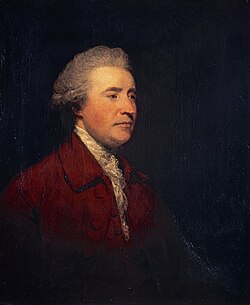
Edmund Burke
Melvyn Bragg and guests discuss the work of the philosopher, politician and writer Edmund Burke, whose views on revolution in America and France were hugely influential.
3 June 2010
Featuring: Karen O'Brien, Richard Bourke, John Keane
Philosophy18th-century Irish philosophers18th-century Irish writersPhilosophers of cultureIrish Freemasons, Irish libertarians, Irish people of English descentBritish MPs 1774–1780Rectors of the University of GlasgowBritish MPs 1784–1790, British MPs 1790–1796Virtue ethicistsPhilosophers of religionCritics of deismEnglish libertariansHistorians of the French RevolutionAlumni of Trinity College Dublin18th-century philosophersEnglish people of Irish descentPhilosophers of education18th-century English philosophersPhilosophers of art18th-century English male writersStreathamitesPolitical philosophersClassical liberalismPhilosophers of historyBritish MPs 1780–1784, Members of the Parliament of Great Britain for English constituenciesWriters from Dublin (city)18th-century English writersBritish political philosophersIrish AnglicansConservatismPhilosophers of economicsSocial philosophersNatural law ethicists18th-century Anglo-Irish people, 18th-century Irish male writersAnglican philosophers18th centuryEconomicsFranceIrelandOscar Wilde
Melvyn Bragg discusses Oscar Wilde, the Aesthetes and his literary legacy. Was Wilde a reactionary - the last of the romantics - or was he the midwife to modernism?
6 December 2001
Featuring: Valentine Cunningham, Regenia Gagnier, Neil Sammells
Bisexual poetsIrish Freemasons, Irish libertarians, Irish people of English descentConversationalistsIrish male dramatists and playwrightsBisexual novelistsFreemasons of the United Grand Lodge of EnglandVictorian poetsIrish writers in French, People educated at Portora Royal SchoolAlumni of Trinity College DublinBisexual journalistsInfectious disease deaths in FranceIrish male novelistsFin de siècleVictorian novelistsConverts to Roman Catholicism from AnglicanismScholars of Trinity College DublinLGBTQ AnglicansIrish expatriates in FranceBurials at Père Lachaise CemeteryAlumni of Magdalen College, OxfordWriters from Dublin (city)People convicted for homosexuality in the United Kingdom, People who have received posthumous pardonsBisexual male writers19th-century Irish dramatists and playwrights, 19th-century Irish poets, Symbolist dramatists and playwrightsLibertarian socialistsLGBTQ Roman CatholicsAnglo-Irish artists, Irish fantasy writersAphoristsWriters of Gothic fictionIrish male poets19th centuryIrelandMedicineSamuel Beckett
Melvyn Bragg and guests discuss the life and work of the author of Waiting for Godot, who lived in Paris and wrote in French as he found that more difficult than writing in English
17 January 2019
Featuring: Steven Connor, Laura Salisbury, Mark Nixon
CultureIrish male dramatists and playwrightsIrish Nobel laureates, Irish modernist poetsFormer Anglicans20th-century Irish novelists, 20th-century Irish short story writers, Irish male short story writersPeople with Parkinson's diseasePhilosophers of pessimismIrish writers in French, People educated at Portora Royal SchoolAlumni of Trinity College DublinIrish male novelistsIrish essayistsScholars of Trinity College DublinModernist writersBurials at Montparnasse CemeteryIrish expatriates in FranceAcademics of Trinity College DublinAnti-natalistsAbsurdist writersFrench Resistance membersNobel laureates in LiteratureFellows of the American Academy of Arts and SciencesWriters from Dublin (city)20th-century Irish dramatists and playwrights, 20th-century Irish male writers, 20th-century Irish poetsPrix Italia winners20th-century essayistsExistentialists20th centuryIrelandMedicine