Philosophers of mathematics
The philosophy of mathematics is the branch of philosophy that studies the assumptions, foundations, and implications of mathematics. It aims to understand the nature and methods of mathematics, and find out the place of mathematics in people's lives.
9 episodes





Episodes in this category also belong to the following categories:
Al-Kindi
Melvyn Bragg and his guests discuss the life and work of Al-Kindi, often described as the first philosopher in the Arabic tradition.
28 June 2012
Featuring: Hugh Kennedy, James Montgomery, Amira Bennison
PhilosophyMusic theorists of the medieval Islamic worldAlchemists of the medieval Islamic worldPhilosophers of religionPhilosophers of logicMetaphysics writersIslamic philosophersAstronomers of the medieval Islamic worldAristotelian philosophersEpistemologistsPhilosophers of educationPhilosophers of artIntellectual historyPhilosophers of psychologyMetaphysiciansPhilosophers of mathematics9th-century philosophersPhilosophers of scienceArabic-language commentators on AristotleOntologists9th centuryAstronomyIslamLanguageMathematicsMedicinePsychologyAlbert Einstein
Melvyn Bragg and guests discuss Einstein's impact on the world of physics after his 'miraculous year' in 1905 and why he went on to become so very famous after World War One.
14 September 2023
Featuring: Richard Staley, Diana Kormos Buchwald, John Heilbron
ScienceJewish German physicists, Jewish scientistsAmerican humanistsAmerican male non-fiction writersGerman male non-fiction writersEuropean democratic socialistsNaturalised citizens of AustriaAlbert EinsteinGerman agnosticsAcademic staff of ETH ZurichMembers of the Royal Netherlands Academy of Arts and SciencesGerman Ashkenazi JewsRecipients of Franklin MedalStateless peopleNobel laureates in Physics20th-century American male writersJewish socialistsWinners of the Max Planck MedalJewish emigrants from Nazi Germany to the United StatesPhilosophers of mathematicsNaturalized citizens of the United StatesAmerican Ashkenazi Jews, American Zionists, American agnostics, German ZionistsPhilosophers of science20th-century American inventors, Members of the United States National Academy of Sciences20th-century American engineersJewish agnosticsMembers of the American Philosophical SocietyPhilosophy of sciencePantheistsAnti-nationalists20th centuryGermanyMathematicsAvicenna
Melvyn Bragg and guests discuss Avicenna, among the most important philosophers in the history of Islam.
8 November 2007
Featuring: Peter Adamson, Amira Bennison, Nader El-Bizri
PhilosophyPhilosophers of logicLogiciansClassical humanistsCritics of atheismPhilosophers of psychologyIslamic philosophersMusic theorists of the medieval Islamic worldMedieval Iranian pharmacologists, Transoxanian Islamic scholarsPhilosophers of mindPhilosophers of mathematicsAlchemists of the medieval Islamic worldCourt physiciansIranian ethicists, Iranian logiciansAristotelian philosophersEpistemologistsOntologistsPhilosophers of sciencePhilosophers of religionIslamMathematicsMedicinePsychologyBertrand Russell
Melvyn Bragg and his guests discuss the influential 20th-century British thinker Bertrand Russell, widely regarded as one of the founders of Analytical philosophy.
6 December 2012
Featuring: A. C. Grayling, Mike Beaney, Hilary Greaves
PhilosophyBritish free speech activistsBritish historians of philosophyEnglish logiciansUniversal basic income writersEuropean democratic socialistsMetaphysics writersMembers of the Order of MeritEnglish anti-fascists19th-century atheistsBritish philosophers of educationEmpiricistsEnglish humanistsFree love advocatesGeorgistsBritish critics of religionsEnglish Nobel laureatesNobel laureates in LiteratureTheorists on Western civilizationBritish political philosophersPhilosophers of social scienceEnglish people of Scottish descentEnglish socialistsEnglish male non-fiction writersConsequentialistsFellows of the Royal SocietyLinguistic turnPhilosophers of sexualityRhetoric theoristsMetaphilosophersPhilosophers of loveEnglish political philosophersCritics of work and the work ethicEnglish people of Welsh descent20th-century atheists20th-century English mathematiciansPresidents of the Aristotelian SocietyUtilitariansBritish atheism activistsWriters about communismLogicians19th-century English essayistsSecular humanistsPhilosophers of economicsIntellectual historians, University of Chicago facultyOntologistsEnglish scepticsFreethought writersCritics of the Catholic Church19th-century English philosophersBritish critics of ChristianityPeople from MonmouthshireAristotelian philosophersJerusalem Prize recipientsPhilosophers of lawEnglish prisoners and detaineesBritish philosophers of languageSet theoristsPhilosophers of technologyBritish consciousness researchers and theoristsPhilosophers of mathematicsBritish philosophers of mind20th-century English philosophers19th-century English mathematiciansAnti-nationalistsPhilosophers of literatureEnglish agnosticsBritish philosophers of culture, English pacifistsWriters about globalizationWriters about religion and scienceFellows of Trinity College, CambridgeEnglish essayistsAnalytic philosophersAcademics of the London School of Economics, British philosophers of scienceWriters about activism and social changeAlumni of Trinity College, CambridgePhilosophers of historyBritish philosophers of religionBritish ethicistsAtheist philosophersUniversity of California, Los Angeles facultyBritish philosophers of logicEnglish political writers19th century20th centuryEconomicsLanguageMathematicsDavid Hume
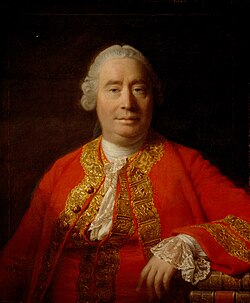
Melvyn Bragg and his guests discuss the work of David Hume, the philosopher and leading figure of the Scottish Enlightenment.
6 October 2011
Featuring: Peter Millican, Helen Beebee, James Harris
PhilosophyCritics of the Catholic ChurchPhilosophers of mind18th-century British essayistsWriters about religion and scienceVirtue ethicistsMetaphilosophersPhilosophers of religionBritish male essayistsPhilosophers of logicCriticism of rationalismWriters about activism and social changeAlumni of the University of EdinburghEpistemologistsPhilosophy writersPhilosophers of artBritish philosophers of educationPhilosophers of psychology18th-century British philosophersEmpiricistsPhilosophers of identityBritish consciousness researchers and theoristsBritish critics of religionsPhilosophers of mathematicsDeist philosophersTheorists on Western civilizationPhilosophers of sciencePhilosophers of historySkeptic philosophersPeople of the Scottish EnlightenmentPhilosophers of social scienceConservatismSecular humanistsPhilosophers of economicsEnlightenment philosophersAction theoristsSocial philosophersBritish male non-fiction writersOntologistsFreethought writers18th centuryEconomicsMathematicsPsychologyScotlandHobbes
Melvyn Bragg discusses Thomas Hobbes, the great 17th century philosopher who famously said that ungoverned man lived a life that was ‘solitary, poor, brutish and short’.
1 December 2005
Featuring: Quentin Skinner, David Wootton, Annabel Brett
PhilosophyCritics of the Catholic ChurchPhilosophers of culture17th-century writers in LatinPhilosophers of mind17th-century English writersRhetoric theoristsPhilosophers of religionMaterialistsEnglish political philosophersPhilosophers of languageBritish critics of ChristianityPolitical realistsEpistemologistsBritish philosophers of educationPhilosophers of lawEmpiricistsMetaphysiciansBritish critics of religionsPhilosophers of mathematics17th-century English male writersAlumni of St John's College, CambridgeTheorists on Western civilizationPhilosophers of sciencePhilosophers of historyThomas HobbesSocial philosophersNatural law ethicistsEnglish theologians17th-century English philosophersEnglish physicistsOntologists17th centuryLanguageMathematicsMedicineTheologyJorge Luis Borges
Melvyn Bragg and guests discuss the life and work of the Argentinian master of the short story, Jorge Luis Borges.
4 January 2007
Featuring: Edwin Williamson, Efraín Kristal, Evelyn Fishburn
Commanders Crosses of the Order of Merit of the Federal Republic of GermanyPostmodern writers, Recipients of the Legion of HonourPhilosophers of culturePhilosophers of timeSpanish-language poetsPhilosophers of mindSurrealist writersBlind poetsLiteracy and society theoristsPhilosophers of pessimismMetaphysics writers20th-century mysticsMetaphor theoristsSonneteersPhilosophers of artJerusalem Prize recipientsMagic realism writersTrope theoristsBlind writersPhilosophers of identityLecturersPhilosophers of mathematics20th-century translatorsHaiku poetsLiterary theoristsAnthologistsAphorists20th-century essayistsPhilosophers of literature20th centuryLanguageMathematicsPopper
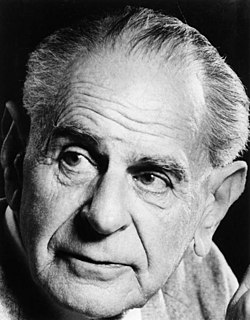
Melvyn Bragg discusses the philosopher Karl Popper, author of The Open Society and a seminal thinker about science.
8 February 2007
Featuring: John Worrall, Anthony O'Hear, Nancy Cartwright
PhilosophyUniversity of Vienna alumniPhilosophers of culturePhilosophers of mindWriters about globalizationJewish ethicistsWriters about religion and scienceBritish historians of philosophyPhilosophers of religionBritish male non-fiction writersBritish male essayistsPhilosophers of logicKnights BachelorAcademics of the London School of Economics, British philosophers of scienceMetaphysics writers20th-century British essayists20th-century Austrian philosophers, Austrian agnostics, Austrian essayists, Austrian logicians, British agnostics, British logicians, British people of Austrian-Jewish descent, Naturalised citizens of the United KingdomWriters about activism and social changeAristotelian philosophersEpistemologistsBritish philosophers of educationPresidents of the Aristotelian SocietyCritics of religionsMetaphysiciansPolitical philosophersRecipients of the Austrian Decoration for Science and ArtWriters from ViennaPhilosophers of technologyFellows of the British AcademyBritish consciousness researchers and theoristsPhilosophers of mathematics20th-century British philosophersTheorists on Western civilizationPhilosophers of historyJewish philosophersRationalistsBritish social liberalsBritish ethicistsLogiciansBritish political philosophersForeign associates of the National Academy of SciencesPhilosophers of economicsJewish agnosticsMembers of the Order of the Companions of HonourSocial philosophersCritics of MarxismCambridge University Moral Sciences ClubRecipients of the Pour le Mérite (civil class)Ontologists20th centuryEconomicsMathematicsMedicineWittgenstein
Melvyn Bragg discusses how Ludwig Wittgenstein, one of the greatest philosophers of the modern age has influenced contemporary culture with his ideas on language.
4 December 2003
Featuring: Ray Monk, Barry Smith, Marie McGinn
PhilosophyPhilosophers of cultureOrdinary language philosophyPhilosophers of mindMetaphilosophersFellows of Trinity College, CambridgeBritish male essayistsPhilosophers of logicPhilosophers of languageAnalytic philosophersPeople with post-traumatic stress disorder20th-century British essayists20th-century Austrian philosophers, Austrian agnostics, Austrian essayists, Austrian logicians, British agnostics, British logicians, British people of Austrian-Jewish descent, Naturalised citizens of the United KingdomBertrand Russell Professors of PhilosophyAlumni of Trinity College, Cambridge20th-century British non-fiction writersEpistemologistsPhilosophy writersPhilosophers of artMetaphysiciansWriters from ViennaPhilosophers of mathematicsAustro-Hungarian military personnel of World War I20th-century British philosophersTheorists on Western civilizationJewish philosophersBisexual military personnelBisexual male writersAustrian people of Jewish descentLGBTQ mathematicians, LGBTQ philosophersPhilosophers of social scienceWittgensteinian philosophersJewish agnosticsSocial philosophersCambridge University Moral Sciences ClubOntologistsLinguistic turn20th centuryLanguageMathematicsMedicineWar