British philosophers of logic
Philosophy of logic is the area of philosophy that studies the scope and nature of logic. It investigates the philosophical problems raised by logic, such as the presuppositions often implicitly at work in theories of logic and in their application.
2 episodes

Episodes in this category also belong to the following categories:
Bertrand Russell
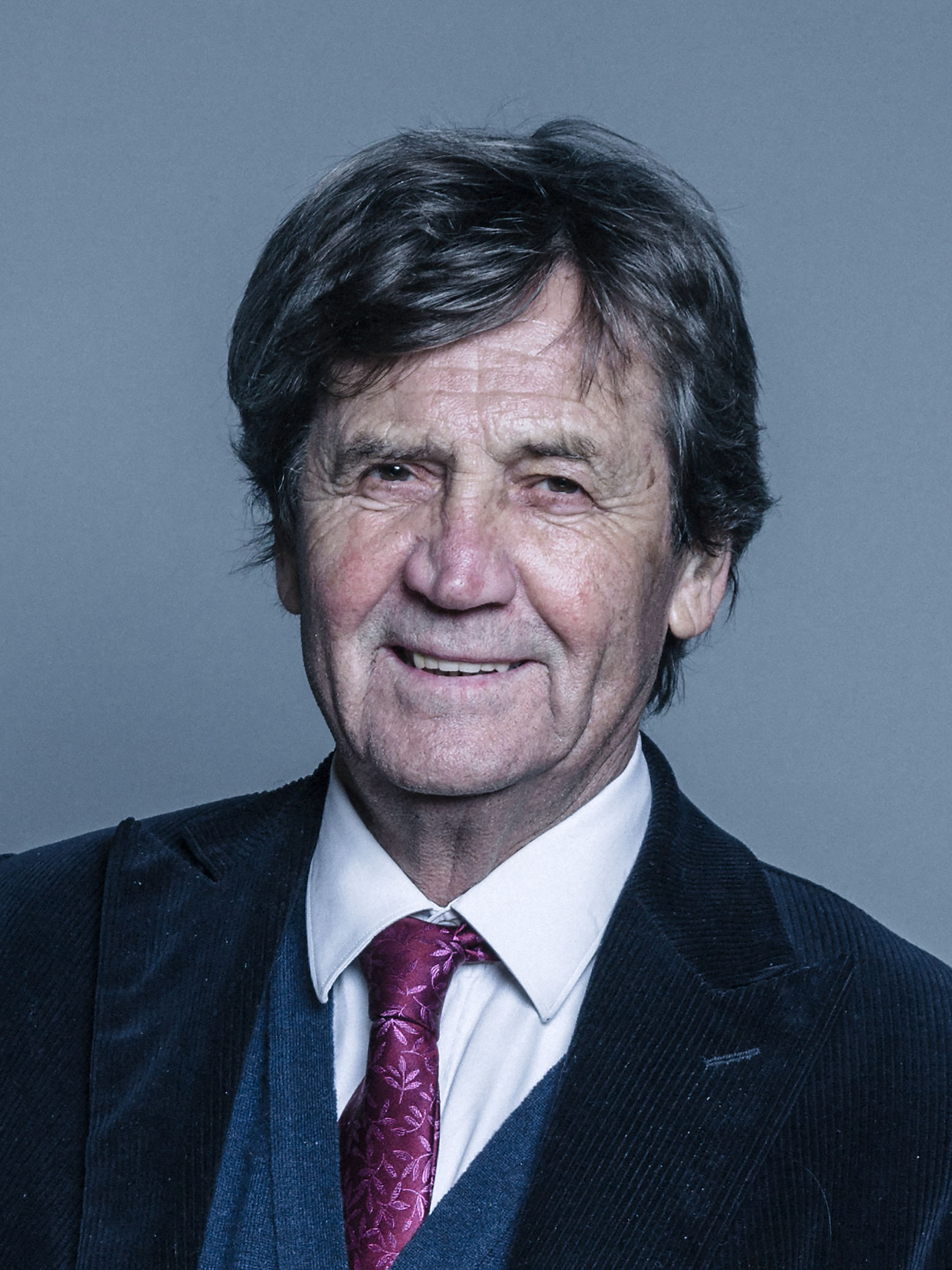
Melvyn Bragg and his guests discuss the influential 20th-century British thinker Bertrand Russell, widely regarded as one of the founders of Analytical philosophy.
6 December 2012
Featuring: A. C. Grayling, Mike Beaney, Hilary Greaves
PhilosophyBritish free speech activistsBritish historians of philosophyEnglish logiciansUniversal basic income writersEuropean democratic socialistsMetaphysics writersMembers of the Order of MeritEnglish anti-fascists19th-century atheistsBritish philosophers of educationEmpiricistsEnglish humanistsFree love advocatesGeorgistsBritish critics of religionsEnglish Nobel laureatesNobel laureates in LiteratureTheorists on Western civilizationBritish political philosophersPhilosophers of social scienceEnglish people of Scottish descentEnglish socialistsEnglish male non-fiction writersConsequentialistsFellows of the Royal SocietyLinguistic turnPhilosophers of sexualityRhetoric theoristsMetaphilosophersPhilosophers of loveEnglish political philosophersCritics of work and the work ethicEnglish people of Welsh descent20th-century atheists20th-century English mathematiciansPresidents of the Aristotelian SocietyUtilitariansBritish atheism activistsWriters about communismLogicians19th-century English essayistsSecular humanistsPhilosophers of economicsIntellectual historians, University of Chicago facultyOntologistsEnglish scepticsFreethought writersCritics of the Catholic Church19th-century English philosophersBritish critics of ChristianityPeople from MonmouthshireAristotelian philosophersJerusalem Prize recipientsPhilosophers of lawEnglish prisoners and detaineesBritish philosophers of languageSet theoristsPhilosophers of technologyBritish consciousness researchers and theoristsPhilosophers of mathematicsBritish philosophers of mind20th-century English philosophers19th-century English mathematiciansAnti-nationalistsPhilosophers of literatureEnglish agnosticsBritish philosophers of culture, English pacifistsWriters about globalizationWriters about religion and scienceFellows of Trinity College, CambridgeEnglish essayistsAnalytic philosophersAcademics of the London School of Economics, British philosophers of scienceWriters about activism and social changeAlumni of Trinity College, CambridgePhilosophers of historyBritish philosophers of religionBritish ethicistsAtheist philosophersUniversity of California, Los Angeles facultyBritish philosophers of logicEnglish political writers19th century20th centuryEconomicsLanguageMathematicsMill
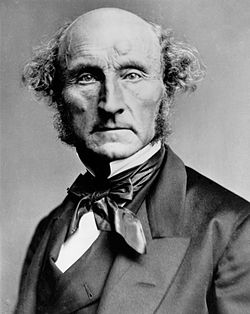
Melvyn Bragg discusses the 19th century political philosopher John Stuart Mill and his treatise On Liberty which is one of the sacred texts of liberalism.
18 May 2006
Featuring: A. C. Grayling, Janet Radcliffe Richards, Alan Ryan
PhilosophyEnglish agnosticsBritish free speech activistsPhilosophers of culturePhilosophers of sexualityEnglish logiciansUK MPs 1865–1868Voting theoristsEnglish libertariansEnglish political philosophersBritish male essayistsEnglish essayistsEuropean democratic socialists19th-century English philosophersScholars of feminist philosophyInfectious disease deaths in FranceHonorary Fellows of the Royal Society of EdinburghBritish socialistsPhilosophy writersPhilosophers of psychologyEnglish feminist writers, English feministsAnglo-ScotsEmpiricistsBritish philosophers of languageUtilitariansEnglish autobiographersBritish philosophers of mindRectors of the University of St AndrewsFellows of the American Academy of Arts and SciencesTheorists on Western civilizationPhilosophers of scienceEnglish non-fiction writersPhilosophers of historyBritish social liberals19th-century English non-fiction writersLogiciansBritish ethicistsBritish political philosophers19th-century English writers19th-century English essayistsBritish philosophers of logicPhilosophers of economicsEnglish political writersEnglish people of Scottish descentEnglish socialistsEnglish male non-fiction writersBritish classical liberal economistsEnglish suffragistsEnglish republicansConsequentialists19th centuryEconomicsLanguageMedicinePsychology