19th-century English non-fiction writers
The non-fiction novel is a literary genre which, broadly speaking, depicts real historical figures and actual events woven together with fictitious conversations and uses the storytelling techniques of fiction. The non-fiction novel is an otherwise loosely defined and flexible genre.
5 episodes



Episodes in this category also belong to the following categories:
Dickens
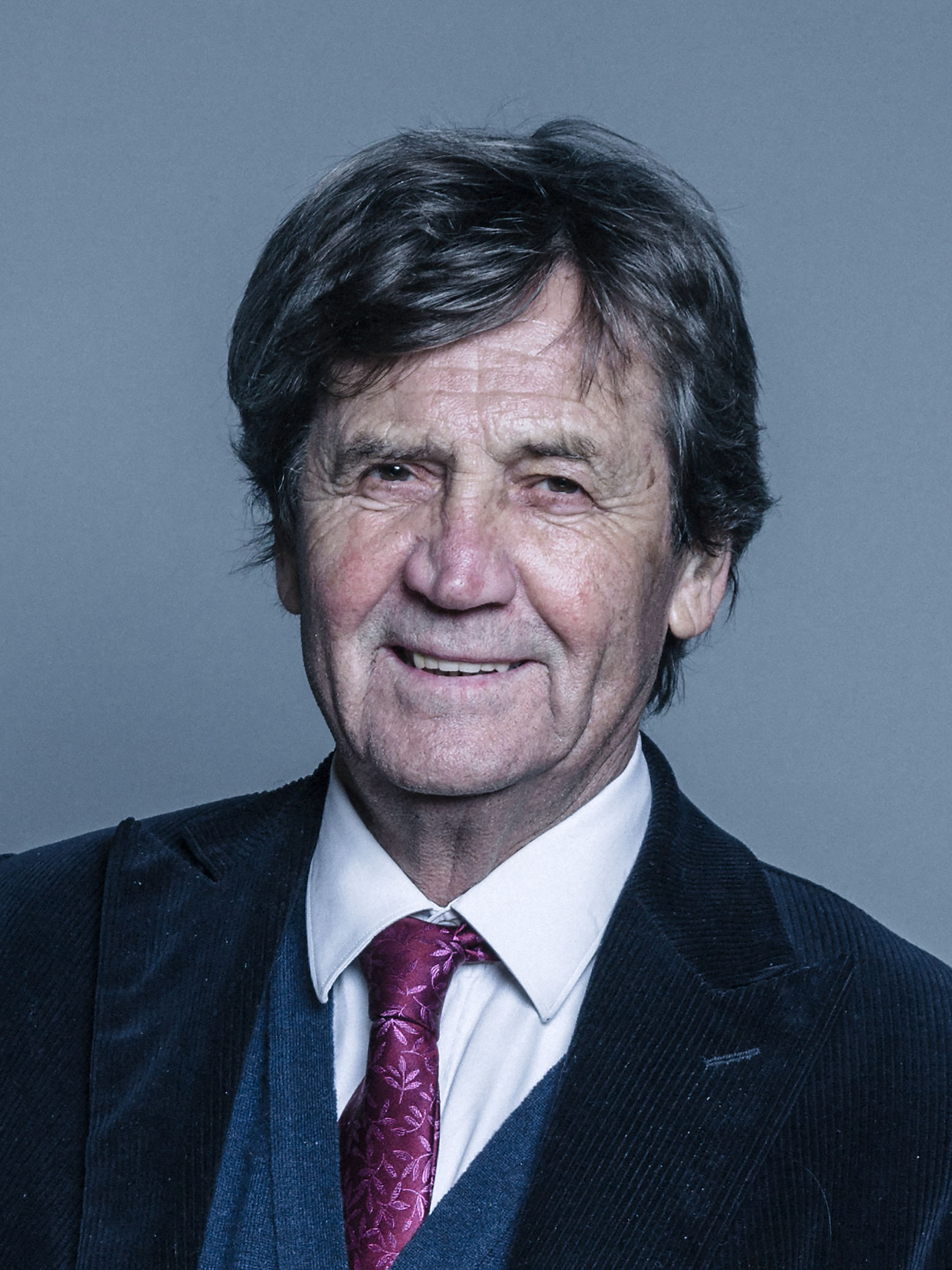
Melvyn Bragg discusses the achievements of Charles Dickens What is his political and literary legacy to our age?
12 July 2001
Featuring: Rosemary Ashton, Michael Slater, John Bowen
Critics of the Catholic ChurchEnglish male novelists19th-century travel writers19th-century English dramatists and playwrightsLiteracy and society theoristsPeople from Somers Town, LondonBritish male essayistsEnglish reformers19th-century English historians19th-century English poetsEnglish Anglicans19th-century English novelistsEnglish male dramatists and playwrightsWriters about activism and social change19th-century pseudonymous writersEnglish male poetsVictorian novelists19th-century British short story writersWriters from the London Borough of CamdenEnglish male journalistsEnglish prisoners and detaineesTrope theoristsEnglish philanthropistsBritish social reformersEnglish male short story writersLecturersBritish critics of religionsAnglican writers19th-century British journalistsEnglish satirists19th-century English non-fiction writers19th-century English essayistsEnglish historical novelistsEnglish male non-fiction writersEnglish travel writers19th-century British philanthropistsWriters of Gothic fictionBurials at Westminster Abbey19th centuryMill
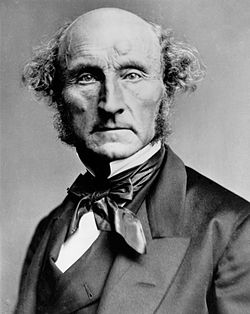
Melvyn Bragg discusses the 19th century political philosopher John Stuart Mill and his treatise On Liberty which is one of the sacred texts of liberalism.
18 May 2006
Featuring: A. C. Grayling, Janet Radcliffe Richards, Alan Ryan
PhilosophyEnglish agnosticsBritish free speech activistsPhilosophers of culturePhilosophers of sexualityEnglish logiciansUK MPs 1865–1868Voting theoristsEnglish libertariansEnglish political philosophersBritish male essayistsEnglish essayistsEuropean democratic socialists19th-century English philosophersScholars of feminist philosophyInfectious disease deaths in FranceHonorary Fellows of the Royal Society of EdinburghBritish socialistsPhilosophy writersPhilosophers of psychologyEnglish feminist writers, English feministsAnglo-ScotsEmpiricistsBritish philosophers of languageUtilitariansEnglish autobiographersBritish philosophers of mindRectors of the University of St AndrewsFellows of the American Academy of Arts and SciencesTheorists on Western civilizationPhilosophers of scienceEnglish non-fiction writersPhilosophers of historyBritish social liberals19th-century English non-fiction writersLogiciansBritish ethicistsBritish political philosophers19th-century English writers19th-century English essayistsBritish philosophers of logicPhilosophers of economicsEnglish political writersEnglish people of Scottish descentEnglish socialistsEnglish male non-fiction writersBritish classical liberal economistsEnglish suffragistsEnglish republicansConsequentialists19th centuryEconomicsLanguageMedicinePsychologyPolidori's The Vampyre
Melvyn Bragg and guests discuss the myths that gave rise to this novella from 1819 by Byron's physician, John Polidori, and the works such as Bram Stoker's Dracula it inspired.
7 April 2022
Featuring: Nick Groom, Samantha George, Martyn Rady
Culture19th-century English non-fiction writersBritish people of Italian descent, English people of Italian descent, Polidori-Rossetti familySuicides by cyanide poisoningAlumni of the University of EdinburghBurials at St Pancras Old ChurchEnglish male non-fiction writersWriters of Gothic fiction19th-century male writers19th-century British short story writers18th century19th centuryRudyard Kipling
Melvyn Bragg and his guests discuss the life and work of Rudyard Kipling, a writer sometimes described as the poet of empire.
16 October 2014
Featuring: Howard Booth, Daniel Karlin, Jan Montefiore
CultureFellows of the Royal Society of LiteraturePeople of the Victorian eraEnglish male novelistsDeaths from ulcersMythopoeic writersEnglish science fiction writersFreemasons of the United Grand Lodge of England20th-century English memoirists20th-century English male writersEnglish hymnwriters19th-century English poets19th-century English novelistsEnglish anti-fascistsVictorian novelistsMaritime writersEnglish-language poets from IndiaEnglish male short story writers19th-century English short story writersEnglish Nobel laureatesNobel laureates in LiteratureRectors of the University of St AndrewsEnglish children's writers19th-century English non-fiction writersBritish Nobel laureates20th-century English novelistsEnglish people of Scottish descent20th-century English poetsBurials at Westminster Abbey19th century20th centuryLanguageWilberforce
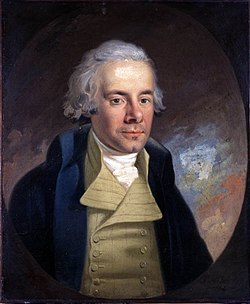
In an unusual edition of In Our Time, marking the 1807 Abolition of the Slave Trade, Melvyn Bragg leaves the studio to examine the life of William Wilberforce.
22 February 2007
Featuring
ReligionBritish MPs 1784–1790, British MPs 1790–1796Fellows of the Royal Society of Arts18th-century evangelicalsEnglish AnglicansChristian radicalsEnglish religious writersUK MPs 1818–1820, UK MPs 1820–1826Anglican saintsEnglish philanthropistsEnglish abolitionists19th-century Anglicans19th-century English male writersAnglican writersAlumni of St John's College, CambridgeBritish MPs 1780–1784, Members of the Parliament of Great Britain for English constituencies19th-century English non-fiction writers19th-century English politiciansBritish reformersEnglish male non-fiction writersBurials at Westminster Abbey18th century19th century