Germany
21 episodes
Albert Einstein
Melvyn Bragg and guests discuss Einstein's impact on the world of physics after his 'miraculous year' in 1905 and why he went on to become so very famous after World War One.
14 September 2023
Featuring: Richard Staley, Diana Kormos Buchwald, John Heilbron
ScienceJewish German physicists, Jewish scientistsAmerican humanistsAmerican male non-fiction writersGerman male non-fiction writersEuropean democratic socialistsNaturalised citizens of AustriaAlbert EinsteinGerman agnosticsAcademic staff of ETH ZurichMembers of the Royal Netherlands Academy of Arts and SciencesGerman Ashkenazi JewsRecipients of Franklin MedalStateless peopleNobel laureates in Physics20th-century American male writersJewish socialistsWinners of the Max Planck MedalJewish emigrants from Nazi Germany to the United StatesPhilosophers of mathematicsNaturalized citizens of the United StatesAmerican Ashkenazi Jews, American Zionists, American agnostics, German ZionistsPhilosophers of science20th-century American inventors, Members of the United States National Academy of Sciences20th-century American engineersJewish agnosticsMembers of the American Philosophical SocietyPhilosophy of sciencePantheistsAnti-nationalists20th centuryGermanyMathematicsBertolt Brecht
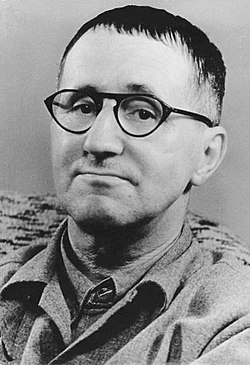
Melvyn Bragg and guests discuss the works and ideas of this great German playwright from the Weimar Republic to his exile under the Nazis and return to Berlin after World War Two.
25 April 2024
Featuring: Laura Bradley, David Barnett, Tom Kuhn
CultureNaturalised citizens of AustriaGerman male dramatists and playwrights, German male poetsGerman literary criticsModernist theatreProtestants in the German ResistanceBurials at the Dorotheenstadt CemeteryGerman Marxist writersExilliteratur writersMarxist theoristsGerman theatre directorsGerman opera librettistsGermanyClausewitz and On War
Melvyn Bragg and his guests discuss On War, the 19th-century treatise on the theory of warfare by the Prussian soldier Carl von Clausewitz.
17 May 2012
Featuring: Saul David, Hew Strachan, Beatrice Heuser
PhilosophyDeaths from choleraMilitary theorists19th-century German writersGerman untitled nobility19th-century German male writersMilitary personnel from Saxony-AnhaltPhilosophers of warGerman military writersPolitical realistsTheoretical historiansGerman male non-fiction writers19th centuryGermanyWarDietrich Bonhoeffer
Melvyn Bragg and guests discuss Bonhoeffer's ideas about Christian ethics, the role of the Church in a secular world, and his attempts to overthrow Hitler.
27 September 2018
Featuring: Stephen Plant, Eleanor McLaughlin, Tom Greggs
ReligionChristian humanistsAnglican saintsProtestants in the German Resistance20th-century German philosophersPeople celebrated in the Lutheran liturgical calendarChristian ethicistsHumboldt University of Berlin alumniChristian poetsExecuted philosophersChristian radicalsLutheran saints20th centuryGermanyEmmy Noether
Melvyn Bragg and guests discuss the ideas and achievements of one of the great 20th-century mathematicians.
24 January 2019
Featuring: Colva Roney-Dougal, David Berman, Elizabeth Mansfield
Frederick the Great
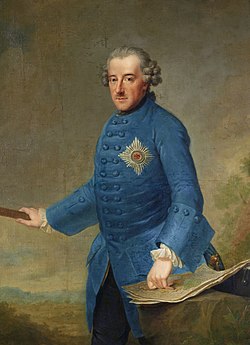
Melvyn Bragg and guests discuss Frederick II, king of Prussia from 1740 to 1786.
2 July 2015
Featuring: Tim Blanning, Katrin Kohl, Thomas Biskup
HistoryGerman critics of ChristianityWriters from BerlinGerman FreemasonsGerman male classical composers18th-century classical composersRoyal reburials18th-century male musiciansGerman classical composersPeople of the Silesian Wars18th-century German LGBTQ peoplePeople of the Age of EnlightenmentGerman military writersGerman opera librettists18th-century German composers18th-century art collectors, German art collectors, People of the War of the Bavarian Succession, Recipients of the Order of the White Eagle (Poland)18th centuryGermanyMusicGoethe
Melvyn Bragg discusses the great German polymath Johann Wolfgang Goethe - novelist, dramatist, poet, humanist, scientist and philosopher.
6 April 2006
Featuring: Tim Blanning, Sarah Colvin, W. Daniel Wilson
18th-century German male writersMembers of the Bavarian Academy of Sciences19th-century German non-fiction writersGerman philosophers of language19th-century travel writersMembers of the Göttingen Academy of Sciences and HumanitiesPhilosophers of sexualityLiteracy and society theoristsGerman autobiographersGerman philosophers of historyGerman male non-fiction writersEpigrammatistsJohann Wolfgang von Goethe, Sturm und DrangEpic poetsPhilosophers of linguistics18th-century German civil servants, 18th-century German dramatists and playwrights, 18th-century German historians, 18th-century German novelists, 18th-century German poets, 18th-century travel writers, 19th-century German civil servants, 19th-century German diplomats, 19th-century German dramatists and playwrights, 19th-century German poets, German bibliophiles, German diplomats, German male novelists, People from Weimar, Scientists from Weimar, Writers from Frankfurt, Writers from WeimarGerman untitled nobilityNatural philosophersWriters about activism and social changeRomantic poetsGerman travel writersGerman librariansPhilosophy writersGerman political philosophersFabulists19th-century German novelistsGerman FreemasonsColor scientistsGerman philosophers of culture18th-century German philosophers, 18th-century essayistsFreethought writersGerman philosophers of science19th-century German philosophersGerman ethicists, German philosophers of educationTheorists on Western civilizationLiterary theoristsUniversity of Strasbourg alumniLeipzig University alumni19th-century German historiansGerman male dramatists and playwrights, German male poetsPhilosophers of social science19th-century German essayists19th-century German male writersGerman male essayistsEnlightenment philosophers18th-century German educators, 18th-century historians, 19th-century German educators, 19th-century historiansPantheistsPhilosophers of literatureGerman philosophers of art18th century19th centuryGermanyLanguageGoethe and the Science of the Enlightenment
Melvyn Bragg assesses the scientific legacy of the 18th century German poet and thinker Goethe, who gave us the term morphology and is sometimes even credited with inventing biology itself.
10 February 2000
Featuring: Nicholas Boyle, Simon Schaffer
Science18th-century German male writersMembers of the Bavarian Academy of Sciences19th-century German non-fiction writersGerman philosophers of language19th-century travel writersMembers of the Göttingen Academy of Sciences and HumanitiesPhilosophers of sexualityLiteracy and society theoristsGerman autobiographersGerman philosophers of historyGerman male non-fiction writersEpigrammatistsJohann Wolfgang von Goethe, Sturm und DrangEpic poetsPhilosophers of linguistics18th-century German civil servants, 18th-century German dramatists and playwrights, 18th-century German historians, 18th-century German novelists, 18th-century German poets, 18th-century travel writers, 19th-century German civil servants, 19th-century German diplomats, 19th-century German dramatists and playwrights, 19th-century German poets, German bibliophiles, German diplomats, German male novelists, People from Weimar, Scientists from Weimar, Writers from Frankfurt, Writers from WeimarGerman untitled nobilityNatural philosophersWriters about activism and social changeRomantic poetsGerman travel writersGerman librariansPhilosophy writersGerman political philosophersFabulists19th-century German novelistsGerman FreemasonsColor scientistsGerman philosophers of culture18th-century German philosophers, 18th-century essayistsFreethought writersGerman philosophers of science19th-century German philosophersGerman ethicists, German philosophers of educationTheorists on Western civilizationLiterary theoristsUniversity of Strasbourg alumniLeipzig University alumni19th-century German historiansGerman male dramatists and playwrights, German male poetsPhilosophers of social science19th-century German essayists19th-century German male writersGerman male essayistsEnlightenment philosophers18th-century German educators, 18th-century historians, 19th-century German educators, 19th-century historiansPantheistsPhilosophers of literatureGerman philosophers of art18th century19th centuryGermanyLanguageHannah Arendt
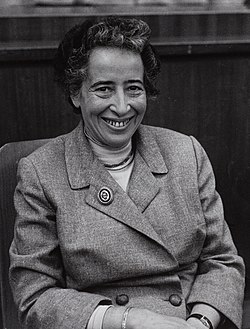
Melvyn Bragg and guests discuss the ideas of Hannah Arendt who examined totalitarianism and politics and, when covering the Eichmann trial, explored 'the banality of evil'.
2 February 2017
Featuring: Lyndsey Stonebridge, Frisbee Sheffield, Robert Eaglestone
PhilosophyScholars of antisemitismAmerican philosophers of educationThe New School facultyPhilosophers of cultureExilliteratur writersMembers of the American Academy of Arts and LettersPrinceton University facultyGerman women philosophersGerman agnostics20th-century German women writers20th-century German non-fiction writersJewish existentialistsGerman Ashkenazi JewsAmerican political philosophersPhilosophy writers20th-century American essayistsGerman political philosophersPhilosophers of lawPolitical philosophersJewish emigrants from Nazi Germany to the United StatesPhilosophers of technologyGerman ethicists, German philosophers of educationAmerican Ashkenazi Jews, American Zionists, American agnostics, German ZionistsFellows of the American Academy of Arts and Sciences20th-century German philosophersPhilosophers of sciencePhilosophers of history20th-century American women writersHeidelberg University alumni20th-century American philosophersJewish agnosticsUniversity of Marburg alumniSocial philosophersWomen religious writersIntellectual historians, University of Chicago facultyExistentialists20th centuryAmericaGermanyHegel's Philosophy of History
Melvyn Bragg and guests discuss Hegel's ideas on history as the progress of the consciousness of freedom, and whether we enjoy more freedom now than those in past centuries.
26 May 2022
Featuring: Sally Sedgwick, Robert Stern, Stephen Houlgate
PhilosophyDeaths from cholera18th-century German male writersBurials at the Dorotheenstadt CemeteryGerman philosophers of languageGerman LutheransWriters about religion and scienceGerman philosophers of historyGerman male non-fiction writersGerman idealistsAcademic staff of the Humboldt University of BerlinUniversity of Tübingen alumniPhilosophy writers18th-century German writersGerman political philosophersPhilosophers of lawMetaphysicians18th-century German philosophers, 18th-century essayists19th-century German philosophersTheoretical historiansGerman philosophers of mind, German philosophers of religionHeidelberg University alumni19th-century German essayists19th-century German male writersGerman male essayistsEnlightenment philosophers18th-century German educators, 18th-century historians, 19th-century German educators, 19th-century historiansPantheists19th-century mysticsGerman philosophers of art18th century19th centuryGermanyLanguageMedicineKant's Copernican Revolution
Melvyn Bragg and guests discuss Kant's ideas on how the world depends on us, on the limits of human knowledge and why we are bound to ask questions we cannot answer.
3 June 2021
Featuring: Fiona Hughes, Anil Gomes, John Callanan
Philosophy18th-century German male writersGerman logicians, Kantian philosophers19th-century German non-fiction writersHumor researchersGerman LutheransPhilosophers of sexualityWriters about religion and scienceGerman nationalistsMetaphilosophersGerman philosophers of historyGerman male non-fiction writers19th-century Prussian peoplePhilosophers of logicGerman idealistsGerman agnostics18th-century philosophersNatural philosophersWriters about activism and social changeMembers of the Prussian Academy of SciencesPhilosophy writers18th-century German writersGerman political philosophersKantianismPhilosophers of lawGerman philosophers of culture18th-century German philosophers, 18th-century essayistsLecturersGerman ethicists, German philosophers of educationGerman philosophers of science19th-century German philosophersTheoretical historiansTheorists on Western civilizationRationalistsGerman philosophers of mind, German philosophers of religionGerman epistemologistsLogiciansIdealistsPhilosophers of social science19th-century German essayists19th-century German male writersGerman male essayistsEnlightenment philosophersOntologistsNatural law ethicistsPhilosophers of warPeople of the Age of EnlightenmentAge of EnlightenmentPhilosophers of literatureGerman philosophers of art18th century19th centuryGermanyMarx
Melvyn Bragg discusses Karl Marx who once said that while other philosophers wanted to interpret the world, he wanted to change it. And he changed the world with his Communist Manifesto.
14 July 2005
Featuring: A. C. Grayling, Francis Wheen, Gareth Stedman Jones
PhilosophyGerman writers on atheismPhilosophers of cultureUniversity of Bonn alumniPhilosophers of mindCritics of political economyWriters about globalizationWriters about religion and sciencePhilosophers of religionSocialist feministsMaterialistsGerman male non-fiction writersCritics of work and the work ethicEconomic historians, German sociologistsFellows of the Royal Society of ArtsPhilosophical anthropologyGerman Marxist writersMarxist theoristsWriters about activism and social change19th-century atheistsEpistemologistsPhilosophers of educationGerman political philosophersStateless peopleCritics of religionsPhilosophers of lawAnti-consumeristsMetaphysiciansJewish socialistsPhilosophers of technologyHumboldt University of Berlin alumniUniversity of Jena alumniAnti-imperialists19th-century German philosophersTheorists on Western civilizationPhilosophers of sciencePhilosophers of historyCritics of JudaismBurials at Highgate Cemetery19th-century German historiansAtheist philosophersMembers of the International Workingmen's AssociationPhilosophers of economicsGerman anti-capitalists, German socialist feminists, Jewish communistsSocial philosophersPamphleteersGerman revolutionariesAnti-nationalistsOntologists19th centuryEconomicsGermanyMedicineMoses Mendelssohn
Melvyn Bragg and guests discuss the work of Moses Mendelssohn, one of the greatest thinkers of the German Enlightenment.
22 March 2012
Featuring: Christopher Clark, Abigail Green, Adam Sutcliffe
Nietzsche's Genealogy of Morality
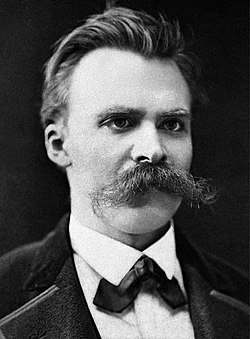
Melvyn Bragg and guests discuss Nietzsche's influential ideas about what it means to be moral.
12 January 2017
Featuring: Stephen Mulhall, Fiona Hughes, Keith Ansell-Pearson
PhilosophyCritics of the Catholic Church19th-century German male musicians19th-century German journalistsPhilosophers of timeUniversity of Bonn alumni19th-century German non-fiction writersPhilosophers of sexualityWriters about religion and scienceMetaphilosophersGerman philosophers of historyGerman male non-fiction writersCritics of work and the work ethicGerman critics of Christianity19th-century Prussian peopleGerman music criticsWriters about activism and social changeStateless peoplePhilosophy writersIrony theoristsDeterministsPhilosophers of psychology19th-century German novelistsPeople from the Province of SaxonyCritics of religionsCritical theoristsAnti-consumeristsMetaphysiciansGerman philosophers of culturePeople associated with the University of BaselGerman military personnel of the Franco-Prussian WarGerman ethicists, German philosophers of education19th-century German philosophersTheorists on Western civilizationDeaths from pneumonia in GermanyGerman philosophers of mind, German philosophers of religionGerman epistemologistsPhilosophers of nihilismLeipzig University alumniPhilosophers of social science19th-century German male writersGerman male essayistsOntologistsAphoristsExistentialistsAnti-nationalistsPhilosophers of literatureGerman philosophers of art19th centuryGermanyMedicineMusicPsychologyWarRosa Luxemburg
Melvyn Bragg and guests discuss Rosa Luxemburg, 'Red Rosa', a leading revolutionary and agitator in Poland and Germany until her arrest and murder in the Spartacus Revolt 1919.
13 April 2017
Featuring: Jacqueline Rose, Mark Jones, Nadine Rossol
HistoryGerman women philosophersEuropean democratic socialistsGerman revolutionaries19th-century German journalistsJewish socialists20th-century German women writers19th-century German writersGerman Marxist writersMarxist theoristsGerman Ashkenazi JewsGerman anti-capitalists, German socialist feminists, Jewish communistsCommunist women writers19th-century German philosophers20th-century German philosophersJewish philosophersEmigrants from the Russian Empire to Germany, Political party founders19th century20th centuryGermanyRussiaSchopenhauer
Melvyn Bragg and guests discuss the pessimistic philosophy of Arthur Schopenhauer and his extraordinary influence.
29 October 2009
Featuring: A. C. Grayling, Beatrice Han-Pile, Christopher Janaway
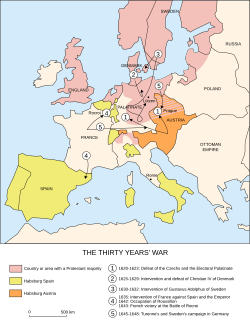
PhilosophyGerman writers on atheismGerman logicians, Kantian philosophersUniversity of Göttingen alumniGerman philosophers of languageGerman philologistsMetaphilosophersPhilosophers of loveGerman philosophers of historyGerman male non-fiction writersPhilosophers of pessimismPhilosophers of logicGerman critics of ChristianityGerman idealistsSimple living advocatesAcademic staff of the Humboldt University of Berlin19th-century atheistsPhilosophy writersGerman political philosophersPhilosophers of psychologyCritics of religionsCritical theoristsGerman eugenicistsGerman philosophers of culture19th-century German writersAnti-natalistsGerman monarchistsGerman ethicists, German philosophers of educationGerman philosophers of science19th-century German philosophersTheorists on Western civilizationGerman philosophers of mind, German philosophers of religionCritics of JudaismGerman epistemologistsLogiciansAtheist philosophers19th-century German essayists19th-century German male writersGerman male essayistsOntologistsPhenomenologistsAphoristsPhilosophers of literatureGerman philosophers of art19th centuryGermanyLanguagePsychologyThe Thirty Years War
Melvyn Bragg and guests discuss a topic suggested by listeners: the war which was centred on the Holy Roman Empire from 1618 and was unequalled in scale until C20th
6 December 2018
Featuring: Peter Wilson, Ulinka Rublack, Toby Osborne
Wagner
Melvyn Bragg discusses the life, and legacy of the German composer Richard Wagner, mentor of Nietzsche and disciple of Schopenhauer, who changed the face of 19th century opera.
20 June 2002
Featuring: John Deathridge, Lucy Beckett, Michael Tanner
German music critics19th-century German male musiciansLeipzig University alumni19th-century German essayistsGerman male essayistsGerman Romantic composers, German male opera composers, German opera composersGerman theatre directors19th-century German composers, 19th-century classical composersGerman opera librettistsGerman autobiographers19th centuryGermanyMusicWalter Benjamin
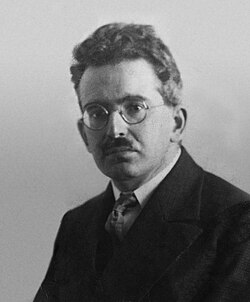
Melvyn Bragg and guests discuss the remarkable philosopher and critic whose ideas, developed in the 1930s, became highly influential after his death while escaping the Holocaust.
10 February 2022
Featuring: Esther Leslie, Kevin McLaughlin, Carolin Duttlinger
PhilosophyWriters from BerlinFrankfurter Zeitung peopleJewish socialistsGerman philosophers of artGerman philosophers of cultureGerman literary criticsGerman philosophers of languageGerman Marxist writersGerman male essayistsHumboldt University of Berlin alumniExilliteratur writers20th-century German male writersGerman philosophers of technology20th-century German philosophersPhilosophers of literatureGerman philosophers of historyGerman male non-fiction writersJewish philosophers20th centuryGermanyLanguageWeber's The Protestant Ethic
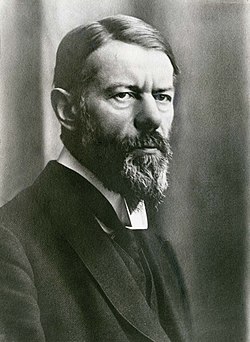
Melvyn Bragg and his guests discuss Max Weber's book The Protestant Ethic and the Spirit of Capitalism.
27 March 2014
Featuring: Peter Ghosh, Sam Whimster, Linda Woodhead
HistoryUniversity of Göttingen alumniMembers of the Bavarian Academy of SciencesGerman nationalistsGerman philosophers of historyEconomic sociologistsEconomic historians, German sociologistsCritics of work and the work ethicWriters about activism and social changeAcademic staff of the Humboldt University of BerlinGerman political philosophersPeople from the Province of SaxonyGerman philosophers of culture19th-century German writersHumboldt University of Berlin alumniGerman philosophers of science19th-century German philosophersGerman philosophers of technologyContinental philosophers20th-century German philosophersUniversity of Strasbourg alumniDeaths from pneumonia in GermanyHeidelberg University alumni19th-century German male writersPhilosophers of economicsMax Weber19th century20th centuryEconomicsGermanyWilliam and Caroline Herschel
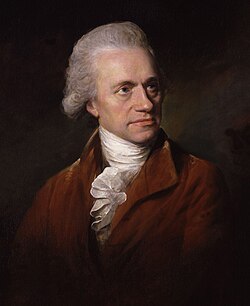
Melvyn Bragg and guests discuss the pioneering brother and sister who, between them, discovered Uranus, comets, double stars and infrared light at the end of the 18th century.
11 November 2021
Featuring: Monica Grady, Carolin Crawford, Jim Bennett
ScienceRecipients of the Copley MedalMembers of the Royal Swedish Academy of SciencesClassical-period composersGerman male classical composers19th-century German male musicians18th-century classical composersHonorary members of the Saint Petersburg Academy of Sciences18th-century German astronomersGerman LutheransGerman classical composers18th-century keyboardistsBritish scientific instrument makersFellows of the American Academy of Arts and Sciences18th-century German composersFellows of the Royal Society18th century19th centuryAstronomyGermanyMusic